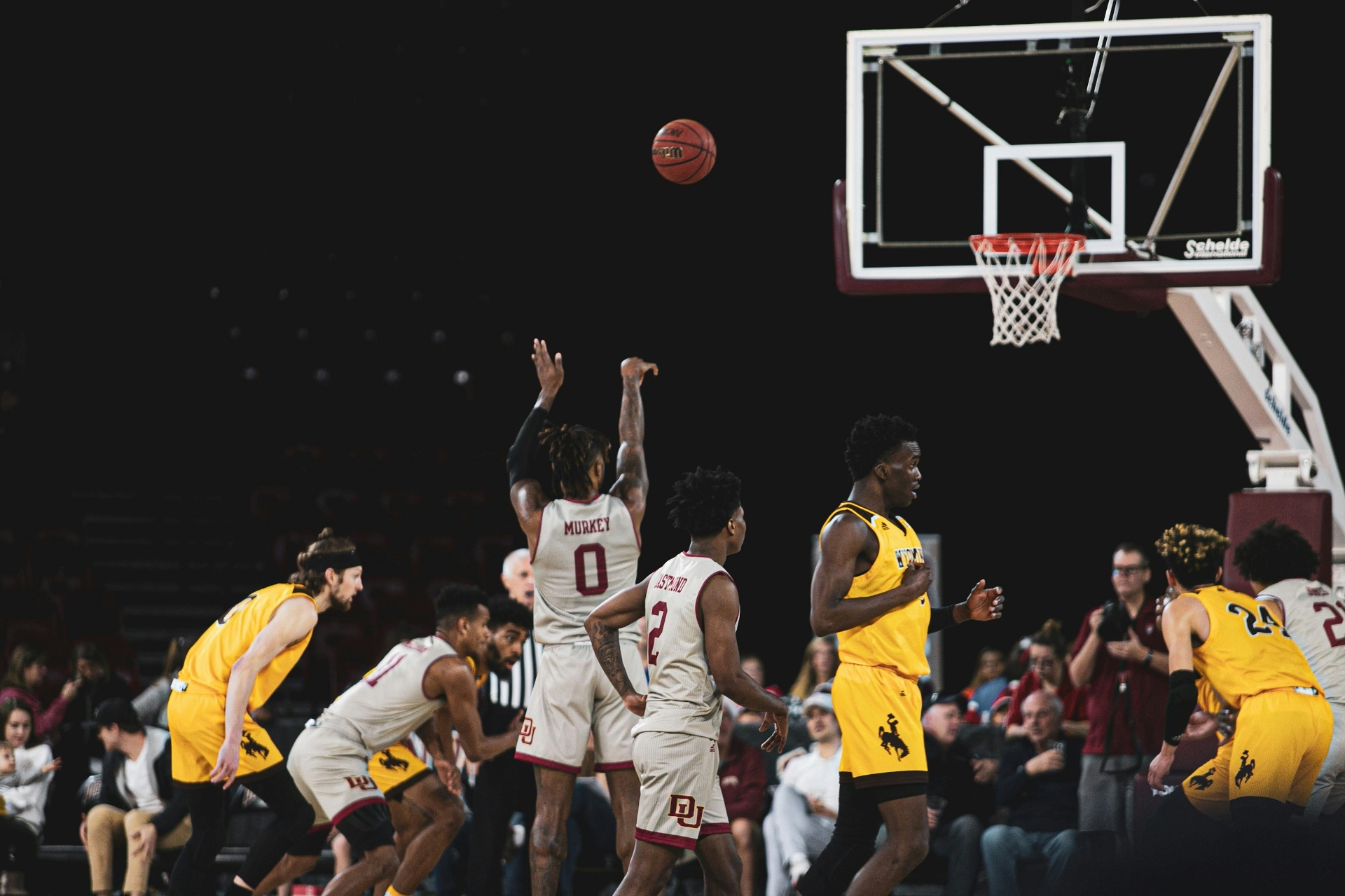
Photo by LOGAN WEAVER | @LGNWVR on Unsplash
Sports and Entertainment
Red Flags in NIL Contracts Every Athlete Should Watch For
You worked your entire life for this moment. The practices, the film sessions, the early mornings and late nights. Now a brand wants to put money behind your name, your face, your story. That is exciting, and it should be.
But before you sign anything, you need to know what you are actually agreeing to. NIL deals are contracts, and contracts are legally binding. What looks like a straightforward sponsorship can contain language that limits your future opportunities, strips you of creative control, or locks you into terms you never fully understood.
Here are the red flags every athlete should know before they put pen to paper.
1. Overly Broad Exclusivity Clauses
Some NIL contracts include exclusivity provisions that prevent you from working with any competing brand, sometimes for an entire category of products. That might seem reasonable on the surface, but if the definition of competing brand is written too broadly, you could find yourself unable to sign deals with other companies in that space for the duration of the contract.
2. Vague Deliverables With No Defined Scope
A contract that says you will provide promotional services as requested is a contract with no ceiling on what a brand can ask of you. Without clearly defined deliverables, number of posts, type of content, approval rights, timeframe, you have no protection if expectations escalate.
3. No Approval Rights Over Your Own Content
Your name, image, and likeness belong to you. But some NIL contracts give brands broad rights to create, edit, and distribute content featuring you without your approval. That means a brand could produce content that misrepresents you, conflicts with your values, or damages your reputation, and you may have little recourse.
4. Automatic Renewal Language
Some contracts include automatic renewal clauses that extend the agreement for another term unless you provide written notice by a specific date. Miss that window, and you are locked in for another year often under the same terms, even if your value as an athlete has grown significantly.
5. One-Sided Termination Rights
Many NIL contracts give brands the right to terminate the agreement for almost any reason, while giving athletes little or no ability to exit on their own terms. This creates an imbalance that leaves you exposed, especially if your circumstances change, you transfer schools, or you turn professional.
6. Unclear or Delayed Payment Terms
You should know exactly when you are getting paid, how much, and under what conditions. Contracts that tie payment to vague performance metrics, brand discretion, or undefined approval processes leave room for disputes and sometimes non-payment.
7. Broad Intellectual Property Assignments
Some contracts ask athletes to assign intellectual property rights far beyond what the deal actually requires. This can include rights to your personal brand, your social media handles, or content you create independently long after the deal is over.
8. No Morality Clause Reciprocity
Most NIL contracts include morality clauses that allow brands to terminate the deal if an athlete does something that damages the brand's reputation. That is standard. What is less common, but equally important, is a reciprocal clause that allows the athlete to exit if the brand does something that damages the athlete's reputation.
The Bottom Line
NIL is one of the most significant opportunities in the history of college athletics. But opportunity without protection is just risk. Before you sign any NIL agreement, have an attorney review it. Not because something is necessarily wrong, but because you deserve to know exactly what you are agreeing to.
At Squire Moore Aladebumoye PC, we work with athletes to review NIL contracts, negotiate better terms, and make sure your name, image, and likeness are protected at every stage of your career.
This article is for general informational purposes only and does not constitute legal advice. If you want to discuss your NIL arrangement, we would love to help. Contact us at contact@squiremoore.com or visit squiremoore.com to learn more.